6 min read·
Your public launch day: from founding cohort to first cold customers (UK SaaS, Claude Code 2026)
Your validated v1 is live, observable, and has founding members. Here is how to run a deliberate public launch day as a UK solo builder with Claude Code - pick one channel, instrument the funnel, and turn cold visitors into your first customers.
You validated the idea. You scaffolded the v1, wired up auth and billing, shipped it to three founding members, built the first feature they asked for, and put error tracking in place so you find out about breakages before they do.
That is a real product with real, paying users. The next move is the one that scares most builders into procrastination: opening the doors to people who have never heard of you.
This is your public launch day. Not a Product Hunt firework that fizzles by Tuesday, but a deliberate, instrumented push to turn a closed founding cohort into a repeatable trickle of cold customers. Here is how to run it as a solo UK builder using Claude Code, without burning a week on launch theatre.
What "launch" actually means at three customers
A launch is not an announcement. It is the first time you point a cold acquisition channel at your live v1 and measure whether strangers convert.
Your founding cohort came from your own network, your validation interviews, or a smoke-test landing page. Those people trusted you before the product existed. Cold customers do not. They land on your site with zero context and decide in about eight seconds whether to bother. The job of launch day is to find out, with evidence, whether your offer survives that eight seconds.
So the success metric for launch day is not "number of upvotes". It is: how many cold visitors arrived, how many started signup, and how many reached the activation moment you defined when you built the first feature. Everything else is noise.
Pick one channel and commit to it
The single biggest launch-day mistake is spraying yourself thin across five channels and learning nothing from any of them. Pick one primary channel based on where your specific buyers already gather, and go deep.
For a UK solo SaaS, the realistic options are roughly:
- A relevant subreddit or niche community where your buyers ask the exact question your product answers. Low volume, high intent, brutal if you are salesy.
- A founder or maker directory launch (a Product Hunt-style listing) for a one-day traffic spike of other builders. Good for tooling, weak for non-technical buyers.
- Direct outreach to a hand-built list of 50 ideal users. Slowest to set up, highest conversion, completely under your control.
- One piece of genuinely useful content (a teardown, a free tool, a data post) seeded into the place your buyers read.
You do not need to guess blind. You already did customer interviews before you built. Re-read your notes and find the sentence where someone described where they go when they have the problem. That sentence is your channel.
Commit to that one channel for the full day. You can test a second next week. Trying to learn from two cold channels at once means learning from neither.
Build a launch-day instrumentation layer first
Here is the part most launch advice skips. Before you post anything, make sure you can actually see what happens. A launch you cannot measure is just a feeling.
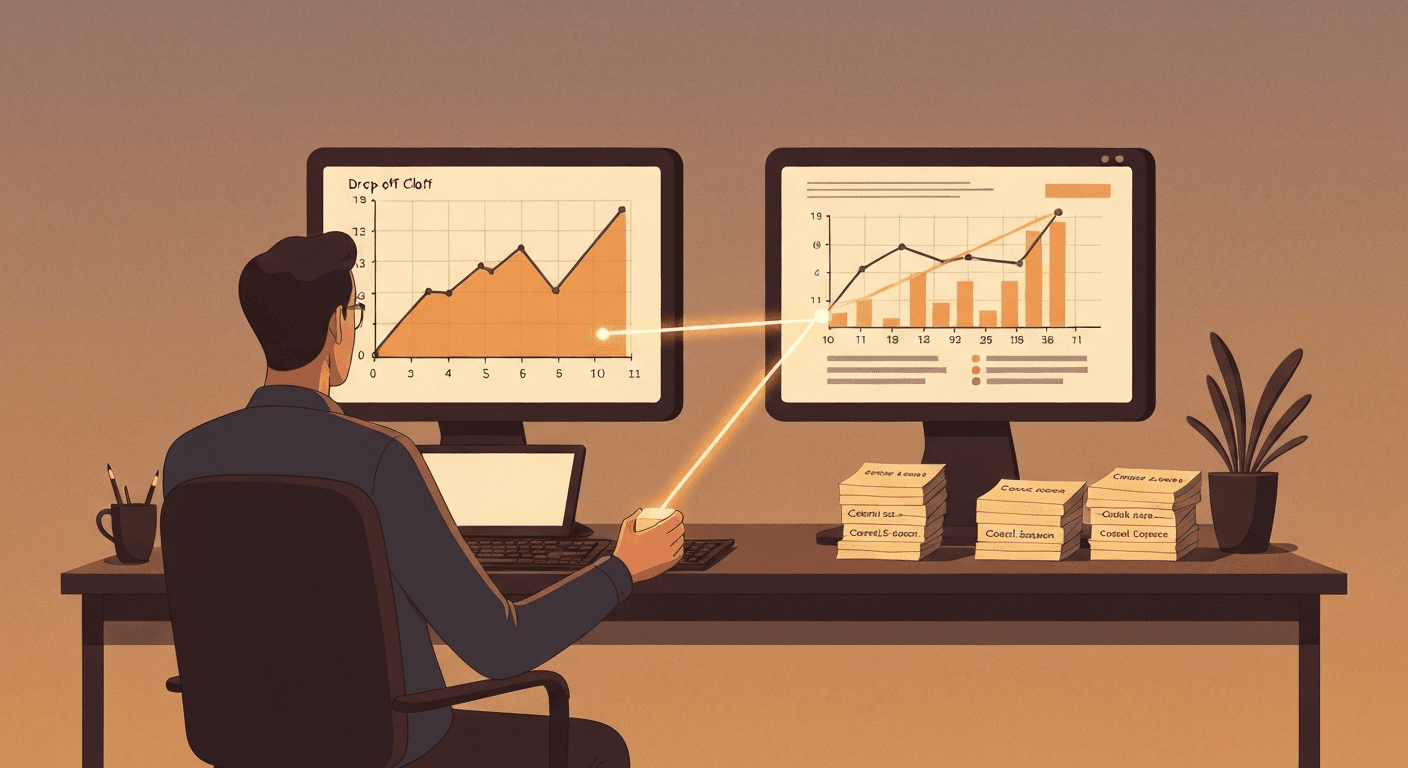
Ask Claude Code to add lightweight event tracking to the three moments that matter: landing-page view, signup started, and activation reached. You already have the activation event defined from your first feature build session, so reuse it. Keep it to plain events written to your own database or a single analytics call. You do not need a data warehouse to count three things.
A prompt like this gets you most of the way:
"Add server-side event logging for three funnel steps in our Next.js app:
landing_viewed,signup_started, andactivated. Write each event to alaunch_eventstable in Supabase with a timestamp, an anonymous visitor id from a first-party cookie, and asourcefield I can set via a query parameter like?src=reddit. Show me the migration and the helper function."
The source parameter is the quiet hero here. Tag every link you share on launch day with its own src value. Now you can tell which channel actually sent humans who converted, not just humans who bounced. When you launch a second channel next week, the comparison is already wired in.
Keep the build tight. This is an afternoon of work with Claude Code, not a project. If you find yourself building dashboards, stop. You can read three counts with a single SQL query for now.

Write the launch message like a person, not a press release
Cold buyers do not care that you launched. They care about their problem. Your launch post should lead with the specific pain, name who it is for, and show the outcome, in that order. Save the origin story for later.
The strongest UK launch posts are honest about being small. "I built a tool that does X because I was sick of doing Y by hand. It is early, three people are using it, here is what it does and what it does not do yet." That candour outperforms polish at this stage, because the early-adopter crowd actively likes finding things before they are finished.
Whatever channel you chose, write the message in its native voice. A subreddit post that reads like a billboard gets removed. A directory tagline that reads like a diary entry gets ignored. Match the room.
Run the day, then read the numbers honestly
On launch day itself, your job is simple: post once on your chosen channel, reply to every single comment or question fast and helpfully, and watch your three event counts. Do not refresh vanity metrics. Watch the funnel.
By the end of the day you want answers to three questions:
- Did cold people arrive? If
landing_viewedfrom your tagged source is near zero, the channel or message was wrong, not the product. That is a cheap, fast lesson. - Did they try? A healthy gap between views and
signup_startedmeans the offer landed but the page or the ask needs work. This is a conversion problem you can fix. - Did they activate? People signing up but not reaching activation points at onboarding friction. You know how to fix that, because you built the feature.
The most common launch-day result for a good product is modest: a handful of cold signups, one or two who activate, and a pile of comments telling you exactly what is confusing. That is not failure. That is your second feature backlog and your conversion-fix list, handed to you for free.
What to do the morning after
Resist the urge to launch again immediately on a new channel. First, close the loop on what you learned. Pull your funnel counts by source, write down the single biggest drop-off, and queue one fix for it with Claude Code. Then reply to anyone who signed up with a short, personal message asking what nearly stopped them. Those replies are worth more than any analytics tool.
A public launch is not a finish line. It is the first turn of the acquisition flywheel: point a channel at the product, measure the funnel, fix the biggest leak, and point it again. You have now run that loop once with real cold traffic. Run it weekly and you have a growth process, not a launch.
Frequently asked
How many customers should I expect from a launch day?
At this stage, a modest result is normal and good: a handful of cold signups, one or two who activate, and a pile of comments telling you what is confusing. That feedback is your next feature backlog and conversion-fix list. Do not measure success by upvotes - measure it by how many cold visitors reached your activation moment.
Should I launch on multiple channels at once?
No. Launching on two cold channels at the same time means you cannot tell which one worked, so you learn from neither. Pick one channel based on where your buyers already gather, commit to it for the full day, and test a second channel the following week with the same instrumentation.
What do I actually need to build before launch day?
A lightweight instrumentation layer that logs three funnel events - landing viewed, signup started, and activated - each tagged with a source parameter so you can attribute conversions to a channel. That is an afternoon of work with Claude Code writing to your existing database. Do not build dashboards; a single SQL query reads the three counts.
Where do I find the right channel for my UK SaaS?
Re-read your customer interview notes from before you built. Find the sentence where someone described where they go when they have the problem your product solves. That is your channel. The realistic options are a high-intent niche community, a maker directory listing, direct outreach to a hand-built list of 50 ideal users, or one genuinely useful piece of content seeded where buyers read.
What should I do the morning after launch?
Do not launch on a new channel immediately. Pull your funnel counts by source, write down the single biggest drop-off, and queue one fix for it with Claude Code. Then send a short personal message to everyone who signed up asking what nearly stopped them. Those replies are worth more than any analytics tool.