Review self-assessment returns before you file with HMRC
Catch Missed Deductions Before You Hit Submit
Executive Summary
In a nutshell
An AI tool that reviews a UK self-assessment tax return draft BEFORE submission to HMRC, catching missed deductions, flagging common errors, and checking against HMRC’s published allowable expense rules. 11.5 million people file SA annually; 41% do it themselves; accountants charge £150–350 for return review. IRIS Software has already built this for accountants (95% error reduction, 62.5% time saving), no consumer version exists. The product is buildable in weeks with an LLM and HMRC’s published tax rules. Near-zero direct search volume is the main challenge, acquisition must be content-led.
The Story
Meet the user
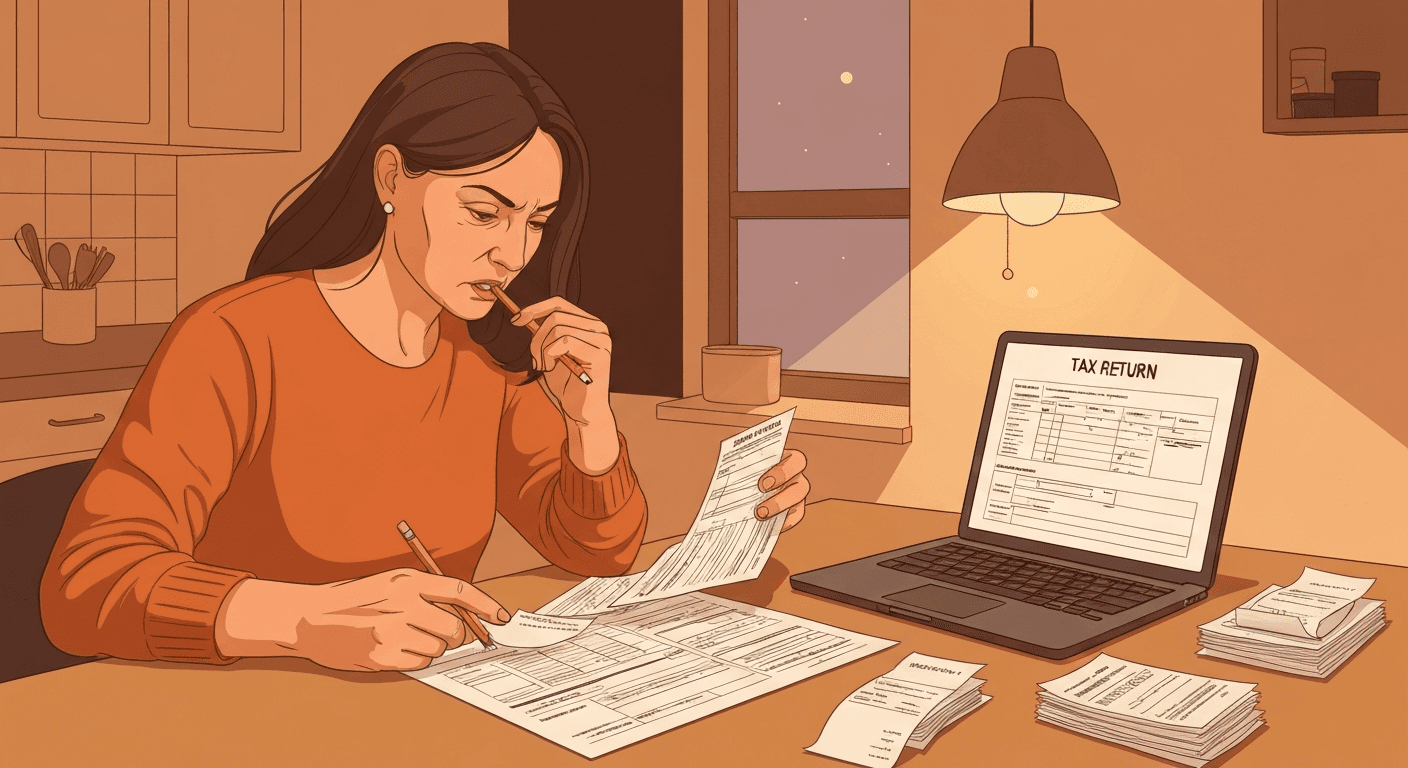
Fiona has been a freelance copywriter for nine years. She files her own self-assessment every January, always a stressful week of cross-referencing invoices, hunting down receipts for software subscriptions, and googling “can I claim this?” She’s reasonably sure she gets it right, but a nagging feeling follows her every year after she hits submit: what if she missed something? What if she overclaimed on the home office allowance? What if there’s a deduction she’s entitled to that she simply doesn’t know about?
This year, she tries SACheck before submitting. She answers thirty questions, income types, expense categories, her working situation, whether she has a car, a home office, a pension. Ten minutes later, the report shows she’s eligible for the employment allowance she’s been missing for two years, she’s been underclaiming on professional subscriptions, and her home office calculation method is the less favourable of the two HMRC options. She amends her return. It saves her £840. She tells every freelancer she knows.
Scores
How does this idea stack up?
7.2/10
4.5M DIY SA filers, no consumer AI review tool, £150–350 accountant alternative pricing validated. £45M SAM at LOW competition.
Real but latent, errors are unintentional, not consciously searched for. Pain emerges at submission anxiety or after an HMRC correction. 1 in 7 self-filed returns contains an error.
Standard web stack + LLM; HMRC expense rules are published; no external API needed; buildable in 2–3 weeks. Simplest build of any idea this cycle.
January is the annual urgency peak; April is off-season. 8-month runway to launch for the next cycle. MTD for Income Tax (April 2026) creates a new digitally-comfortable audience.
11.5M annual SA filers, truly evergreen. Permanent annual demand regardless of any single regulation. Growing as freelance work increases each year.
Checklist logic + LLM API, no third-party integrations. Under £210 to launch. One developer, 4–5 weeks.
Strongest
Durability
Self-assessment filing is permanent, annual, and affects more people every year as freelance work grows. This is a 20-year product with reliable demand spikes every October–January.
Watch out
Timing
April is the quietest month in the SA calendar. Launch content by October to ride the November–January urgency spike. Build now, market in autumn.
Pain Point
The problem
“Even if you pay someone to help with your self-assessment, you’re still legally responsible for ensuring it’s accurate, so it’s vital you check your return carefully before submission.”
— MoneySavingExpert (advice given after users discover errors post-submission)
11.5 million people file UK self-assessment returns each year. According to HMRC’s own research, errors are predominantly unintentional, caused by changes in circumstances, oversight in calculations, or lack of understanding of allowable expenses. The most common mistakes: underdeclaring income sources (rental, savings interest, dividends), overclaiming expenses without proper apportionment for personal use, missing allowable deductions entirely (professional subscriptions, pension relief, WFH allowance calculated incorrectly), and confusion over payments on account.
IRIS Software, the UK’s largest accountancy software company, has built an enterprise AI tool that reviews returns before submission, claiming 95% error reduction and 62.5% time saving for accountants. This proves the concept works technically. There is no consumer version. The accountant alternative: £150–350 for a professional SA review/filing. 4.5 million people file themselves to avoid this cost. Many do so with a gnawing uncertainty about whether they got it right.
MoneySavingExpert’s SA threads are among the most trafficked in the money forum. “I’ve reviewed my return multiple times and I still can’t work out if the expense total is calculating correctly” is a recurring post. People want to be told they got it right. No tool gives them that reassurance.
Want reports like this every Thursday?
One validated UK business opportunity per week. Free.