Track brand deals and tax for UK micro-creators
Value gifted product, raise invoices, flag HMRC thresholds
Executive Summary
In a nutshell
A lightweight CRM and bookkeeping companion for UK micro-creators that tracks brand deals, values gifted product as taxable income, raises invoices, chases late payment, and flags HMRC thresholds. The core insight: existing creator deal-trackers (Sponsy, SponsorKit, Follyo) are US-built and ignore UK tax, while UK accounting apps (FreeAgent, Coconut) ignore the creator-specific mess of gifted product and brand-deal admin. Nobody owns the overlap. It works now because HMRC is actively sending nudge letters to influencers, Making Tax Digital for Income Tax lands from April 2026, and most creators still keep their deal terms in Instagram DMs.
The Story
Meet the user
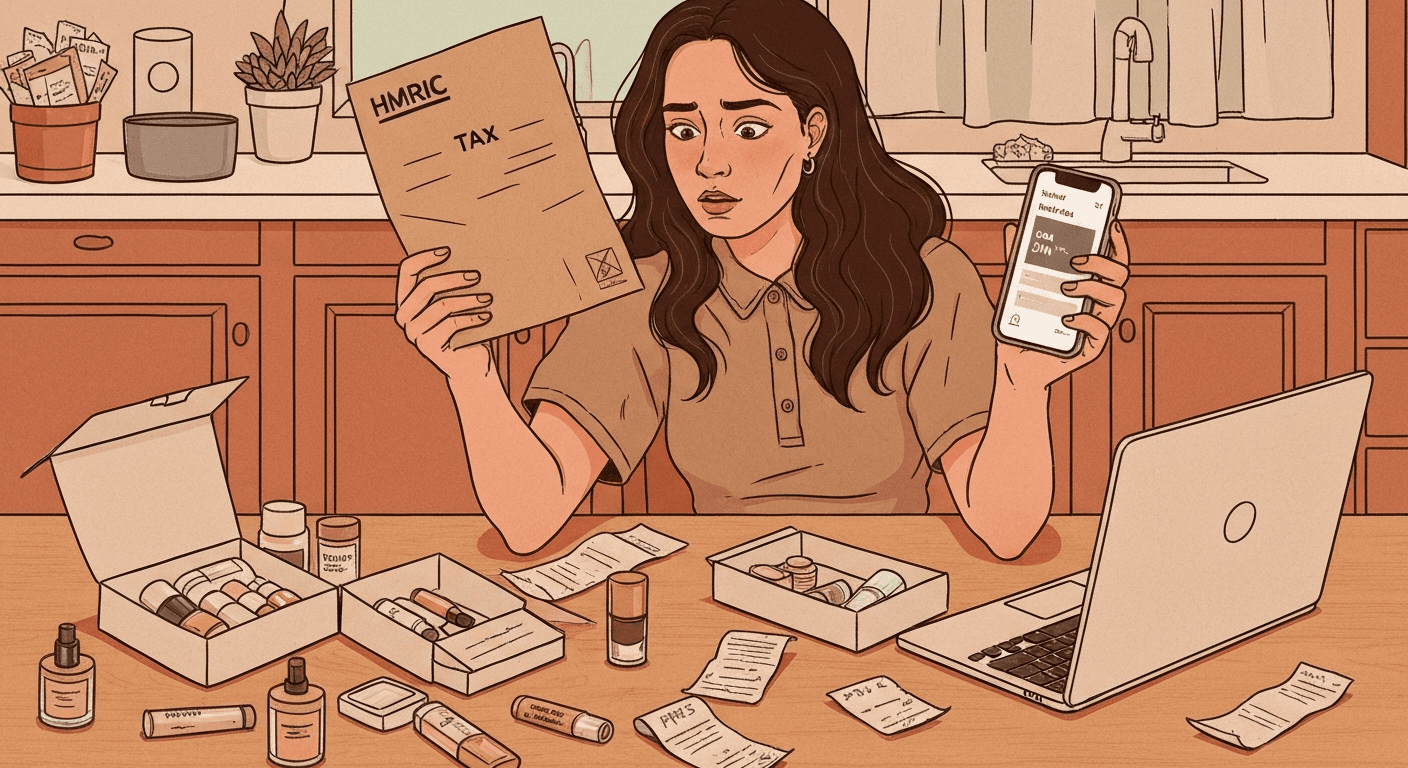
Priya has 14,000 followers and a skincare niche she has built over three years from her flat in Manchester. Brands send her serums, a ring light, the occasional £200 voucher. She replies in DMs, posts the content, and feels like she is finally getting somewhere. Then a brown envelope lands. HMRC has written to "online content creators" and wants to know about her income. Priya panics. She never invoiced for half these deals, the gifted products felt like presents not pay, and her "records" are a Notes app and a chaotic camera roll of screenshots. She does not even know if she has crossed the £1,000 line that means she should have registered for Self Assessment.
That night she searches "do influencers pay tax on gifted items uk" and falls down a rabbit hole of accountancy blogs that all say the same scary thing: yes, the market value counts, and yes, you should have been tracking it. She tries a US creator CRM but it talks in dollars and has no idea what Self Assessment is. Then she finds a tool built for exactly her: log a deal in ten seconds, tag a gifted product and it auto-values it as income, raise a proper invoice, and a running counter tells her how close she is to the £1,000 and £90k lines. For the first time the business side feels handled rather than terrifying.
Scores
How does this idea stack up?
7.0/10
Large, fast-growing creator economy, but the creator-pays-for-software slice is modest and seed keyword volumes are tiny
87% of creators have been paid late, wrong, or not at all, and HMRC letters are landing now
Standard web stack plus Stripe and optional Open Banking, tax logic is public rules, MVP in 2 to 4 weeks
MTD for Income Tax from April 2026 plus an active HMRC nudge-letter campaign create a clear before and after
Deal admin and tax are permanent needs for working creators, capped only by incumbent convergence risk
Cheap and solo-buildable, but the real lift is positioning against a noisy field, not the code
Strongest
Pain
The late-payment data and the HMRC campaign mean this is a problem people feel in the wallet and the gut, not a nice-to-have.
Watch out
Opportunity
The people who need this most are nano and micro creators with little spare cash, so monetisation depends on reaching enough of them cheaply through organic and creator-to-creator channels.
Pain Point
The problem
“87% of creators said they'd experienced being paid late, being paid the wrong amount, or not being paid at all, and 40% said chasing down delayed or missing payments was one of the biggest challenges of the job.”
— Business Insider creator survey, widely cited across creator-finance guides
The pain has two heads and they reinforce each other. The first is operational chaos: deal terms live in Instagram and TikTok DMs, there is no single record of what was agreed, invoices go out late or never, and brands routinely pay months late or disappear. Late invoicing is itself a leading cause of late payment because brands will not process anything until they receive a formal invoice, regardless of the contract date.
The second head is tax fear. UK creators are repeatedly told by accountancy firms that the market value of gifted products counts as taxable income if there was an expectation of promotion, that the £1,000 trading allowance is the line where Self Assessment registration kicks in, and that poor record-keeping can attract penalties of up to 100% in cases of concealment. HMRC has sent "nudge letters" to thousands of online traders, gamers, and influencers it suspects have under-declared, and since January 2025 platforms have reported user income directly to HMRC under international rules. Most micro-creators have never run a business before, so they have neither the habits nor the tools, and the two problems compound: no deal records means no tax records.
Want reports like this every Thursday?
One validated UK business opportunity per week. Free.