ideastack·9 min read·
After launch day: activate and retain your first cohort (UK SaaS, Claude Code 2026)
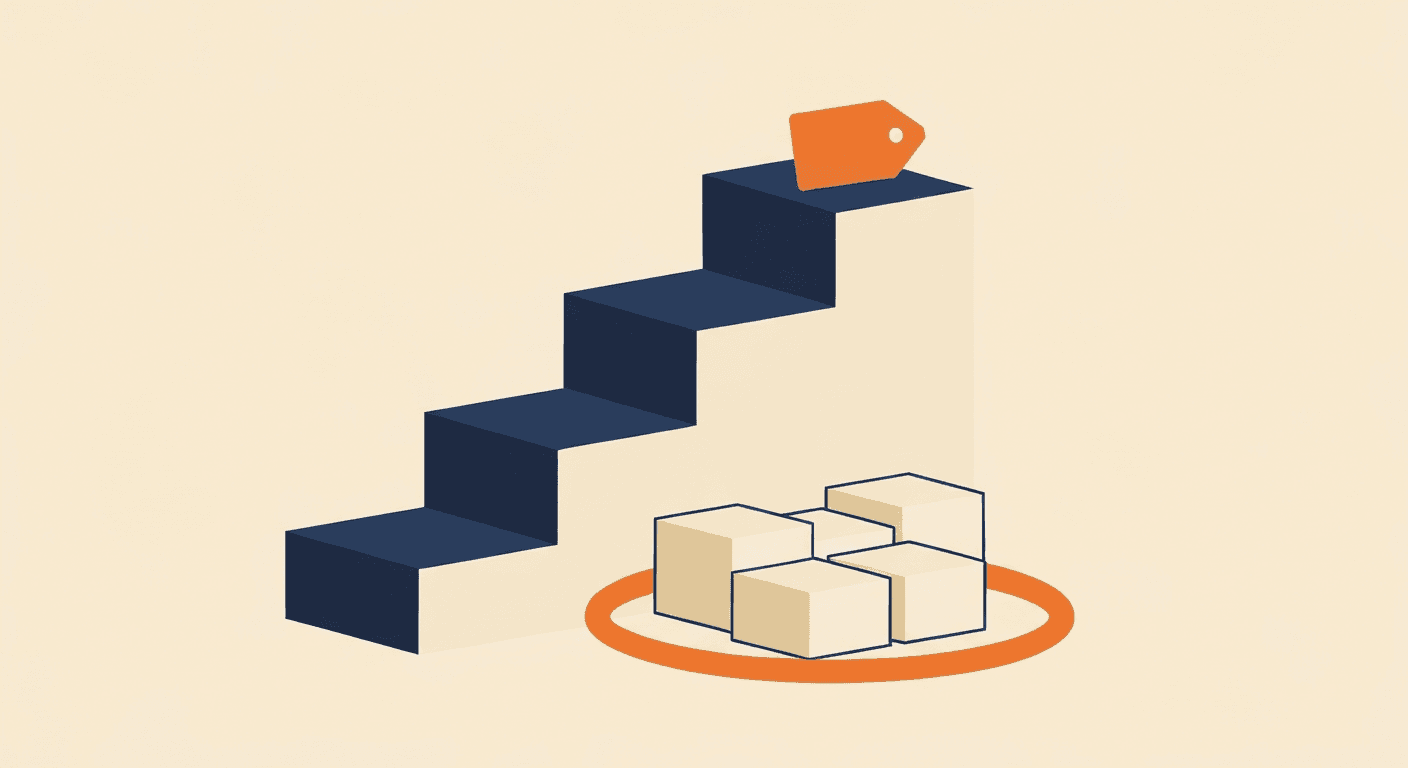
You ran launch day. You pointed one cold channel at your live v1, tagged the links, and watched the funnel. Some strangers signed up. Most of them have not been back since.
You ran launch day. You pointed one cold channel at your live v1, tagged the links, and watched the funnel. Some strangers signed up. Most of them have not been back since.
This is the moment that quietly kills more products than launch day ever does. The fireworks are over, the signups have gone cold, and it feels like the launch failed. It did not. You just reached the part nobody writes a Product Hunt thread about: turning a one-off spike of curious strangers into people who actually use the thing.
For a UK solo founder building with Claude Code, the week after launch has a clear, narrow job. Not more acquisition. Not a second launch. Activation and early retention: get the cohort to your value moment once, then get them to come back. Here is the runbook.
Why retention beats more acquisition right now
It is tempting to treat a flat launch as a traffic problem and immediately plan the next channel. Resist that. If most of the users you already have went cold within 48 hours, sending more cold users at the same funnel just produces more cold users. You would be paying to refill a leaky bucket.
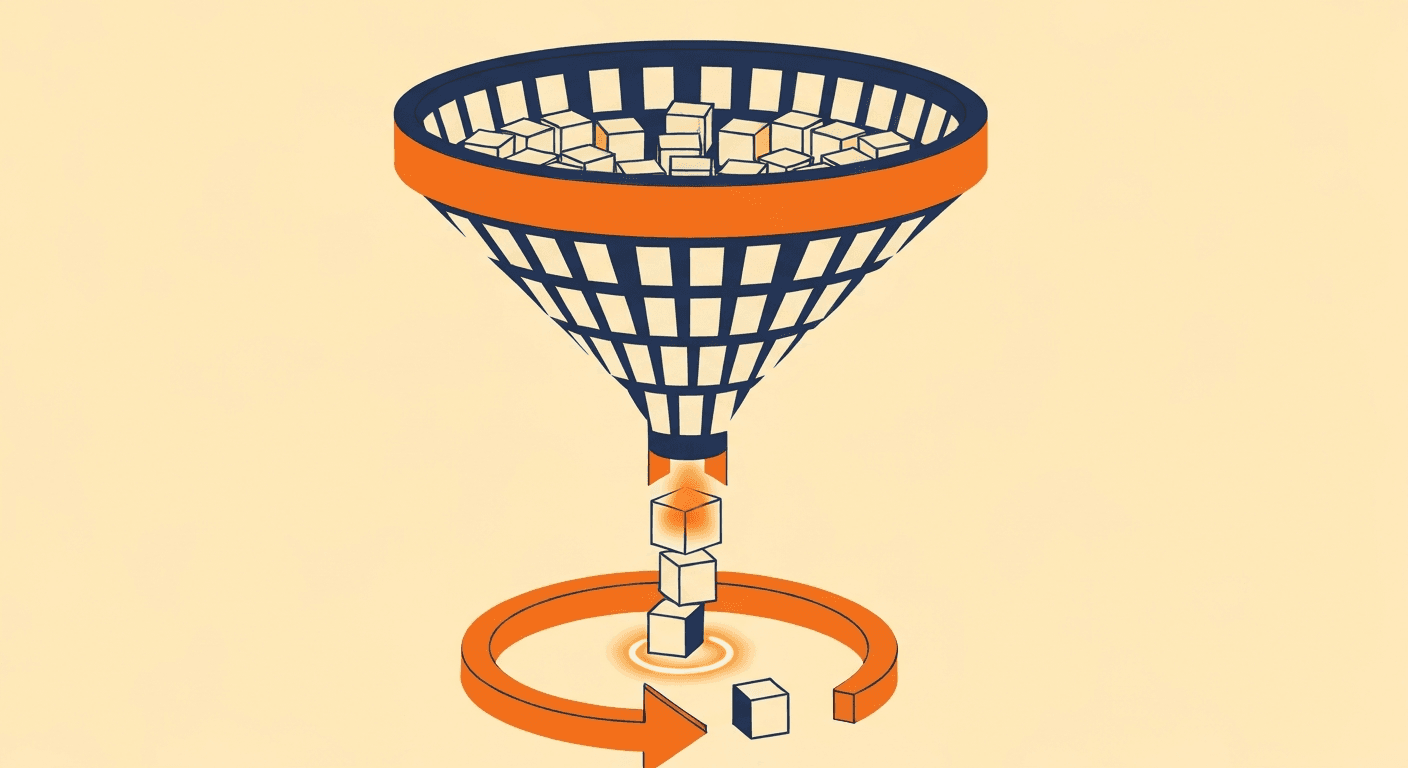
The maths is simple. Say launch sent 200 visitors, 40 signed up, and 6 are still active. Doubling your traffic to 400 visitors, at the same conversion, gets you 12 active users. Fixing the funnel so 16 of those original 40 activate gets you to a similar place from traffic you already have, and it makes every future launch worth more. Retention is the multiplier on all your acquisition, not a separate workstream.
At three to thirty customers you are not doing statistical cohort analysis. You are doing something better: looking at a small enough group that you can know every single user by name and figure out, person by person, why they did or did not stick.
Step 1: define one activation event
Retention is meaningless until you know what a retained user is retaining. That starts with activation: the first time someone reaches real value in your product.
Activation is not signup. It is not "logged in". It is not "viewed the dashboard". It is the specific action that makes someone think, quietly, oh, this actually works. For an invoicing tool it might be "sent first invoice". For an analytics product, "connected first data source and saw a chart". For a writing tool, "exported first finished draft".
You almost certainly defined this when you built your first feature, or you can recover it now. Re-read your customer interview notes from validation and find the sentence where someone described the thing they actually wanted. That is your activation event. Pick exactly one. A product with three competing "aha" moments has none.
Write it down in plain English before you touch code: "A user is activated when they ___." If you cannot finish that sentence in under ten words, your product is doing too many things for a launch cohort.
Step 2: instrument it with Claude Code
A vibe is not a metric. If your activation rate lives in your head as "feels like about half", you cannot tell whether this week's change helped. Make activation a first-class event you can count.
Ask Claude Code to add the event server-side so it cannot be lost to ad-blockers or client-side flakiness:
"Add a server-side
activatedevent to our Next.js + Supabase app. Write a row to auser_eventstable with the user id, event name, timestamp, and a JSON metadata field whenever a user completes [your activation action]. Make it idempotent so a user can only be marked activated once. Then write me a single SQL query that returns, for users who signed up in the last 7 days: total signups, how many activated, and the median hours between signup and activation."
That last query is the one you will live in this week. Signups, activated, and time-to-activate, for the launch cohort, in one number each. Keep the implementation boring: one table, one helper function, plain events. You do not need a data warehouse to count three things, and a heavyweight analytics SDK is exactly the kind of premature scaffolding that eats a solo founder's week.
If you already added funnel instrumentation on launch day, you are reusing it here, not rebuilding. The landing_viewed and signup_started events from your launch layer slot straight in front of activated to give you a clean three-step funnel.
Step 3: read the cohort honestly
Now run the query and look at the real shape of your funnel:
- Visitors who landed
- Signed up
- Activated
- Came back on day 2 (or day 7, depending on how often your product is meant to be used)
Find the single biggest drop. That is the only number that matters this week. Everything else is a distraction you can fix later.
For most launch cohorts the cliff is between signup and activation. People create an account, land in an empty product, do not understand what to do next, and leave. The classic culprit is an empty first-run state: a blank dashboard, a zero-row table, a screen that assumes you have already done work you have not done yet. A new user staring at "No data yet" is a user about to close the tab.
Resist the urge to act on the loudest piece of feedback or the most recent angry email. Act on the biggest measured drop. One honest funnel beats ten opinions.
Step 4: fix the activation leak in the product first
Before you write a single email, fix the leak in the product. An email that drives someone back to a confusing empty screen just speeds up their second bounce.
Most activation fixes are small and shippable in one focused Claude Code session:
- Seed the empty state. Pre-populate a sample project, a demo invoice, or example data on first run so the user sees the product working before they have done anything. Add a clear "this is sample data, here is how to make your own" prompt.
- Cut a step. If activation takes five steps, find the one you can remove or do for the user. Every step between signup and value is a place to lose someone.
- Add a single first-run task. One unmissable call to action that walks the user straight to the activation event. Not a tour. Not a checklist of twelve things. One next action.
Keep the diffs narrow and stay in plan mode so Claude Code shows you the change before it makes it. And run the same money-path regression check you have been doing since you wired up billing: a first-run change that accidentally breaks signup or checkout turns an activation fix into a revenue outage. At three customers you can skip staging, but you cannot skip checking that the payment path still works.

Step 5: wire two lifecycle emails, not a sequence
Now, and only now, add email. The mistake here is building an elaborate "onboarding sequence" of seven drip emails for a cohort of forty people. You need two emails, both triggered off the activation event you just instrumented.
Email one: same-day welcome. Sent the moment someone signs up. It does exactly one thing: point them at the activation event. Not your origin story, not a feature tour, one sentence and one link to the single most valuable first action. "Here is how to send your first invoice" beats "Welcome to the family" every time.
Email two: the day-2 nudge. Sent 48 hours after signup, but only to users who signed up and never activated. This is the highest-leverage email you will send all week, because it targets exactly the people stuck at your biggest drop-off. Keep it short, human, and useful: acknowledge they have not finished setting up, give them the one next step, and offer to help. From a solo founder a plain-text "saw you signed up but did not get your first invoice out, anything I can help with?" outperforms any designed template.
Build the trigger off your activation event so the day-2 email never goes to someone who already activated. Claude Code can wire this on a Next.js plus Supabase plus Resend stack in one session:
"Add a scheduled job that runs daily. For each user who signed up more than 48 hours ago, has no
activatedevent, and has not already received theday2_nudgeemail, send a plain-text email via Resend and record aday2_nudgeevent so they never get it twice. Show me the query and the send function."
On the UK side, both of these are legitimate onboarding email to someone who actively created an account for your service, which is fine under GDPR and PECR. Keep them about the service, not a marketing blast, and you are on solid ground. A separate marketing newsletter is a different beast with its own opt-in, and you do not need it this week.
Step 6: talk to five churned users by name
Your instrumentation tells you what happened. It cannot tell you why. For that, you talk to people, and at this scale you can.
Pull the list of users who signed up, never activated, and never came back. Pick five. Email each one personally with a single question: "What would have made you stay?" That is the entire message. No survey, no incentive, no five-point scale.
You will not hear back from all of them, but the two or three replies you get are worth more than any dashboard. They will tell you in plain words what your funnel could only point at: "I could not figure out how to connect my data", "it was not clear what to do after signing up", "I thought it would do X and it did Y". Each answer is a fix you can ship next week, often the exact fix that lifts your biggest drop-off.
This is the same instinct behind the Mom Test you used during validation, applied after launch. Ask about their experience, not your product. Let them tell you where it broke.
Know when to stop
The trap at this stage is building retention machinery you will not need for a year. You do not need a retention-cohort dashboard, RFM segmentation, a customer-data platform, or a marketing-automation suite. Those solve problems that appear at hundreds or thousands of users, and wiring them up now is procrastination dressed as progress.
The right-sized retention layer for a launch cohort is exactly this: one instrumented activation event, one product fix to the biggest leak, two lifecycle emails, and five honest conversations. That is it. Ship that, watch your activation rate move, and resist every urge to add more until the cohort is large enough to demand it.
You spent the build arc getting from idea to a live, paying, observable v1. Launch day got you cold strangers. This week turns a slice of those strangers into users who come back, and gives you a funnel you can read every morning. That is the first real turn of the flywheel. Do it once, well, and every launch after this one is worth more.
If you want a data-backed UK business idea to point this whole build runbook at, our latest free report breaks down a fresh opportunity with real keyword volumes, competitor analysis, and copy-paste builder prompts. Grab it here: ideastack.co/reports.
Frequently asked
What is the difference between activation and retention?
Activation is the first time a user reaches real value in your product, your one defining 'aha' action. Retention is whether they come back and do it again. You cannot retain users who never activated, so for a launch cohort you fix activation first, then worry about repeat visits.
How do I pick the right activation event for my SaaS?
Re-read your customer interview notes and find the moment people described as the thing they actually wanted. That is your activation event, not signup and not 'logged in'. For an invoicing tool it might be 'sent first invoice'. For an analytics tool, 'connected first data source'. Pick one, define it precisely, and instrument it.
Should I send lifecycle emails to people who just signed up in the UK?
Transactional and onboarding emails to someone who just created an account are fine under UK GDPR and PECR, because they relate to a service the person actively signed up for. Keep them genuinely useful rather than promotional blasts. Separate marketing newsletters need their own opt-in, but a welcome email and a 'you have not finished setting up' nudge are legitimate onboarding.
How many users do I need before retention data is meaningful?
At three to thirty customers the numbers are too small for statistical cohort analysis, and that is fine. Treat each user as a case study, not a data point. Five honest conversations with churned users will teach you more than any retention dashboard at this stage. Build the instrumentation now so the data is there when the cohort grows.
What retention tools should a solo founder set up at launch?
Almost none. You need one instrumented activation event, two lifecycle emails, and a habit of talking to churned users. You do not need a retention-cohort dashboard, RFM segmentation, or a marketing-automation platform yet. Those solve problems you do not have at this scale and cost time you should spend on the product.
Filed under